



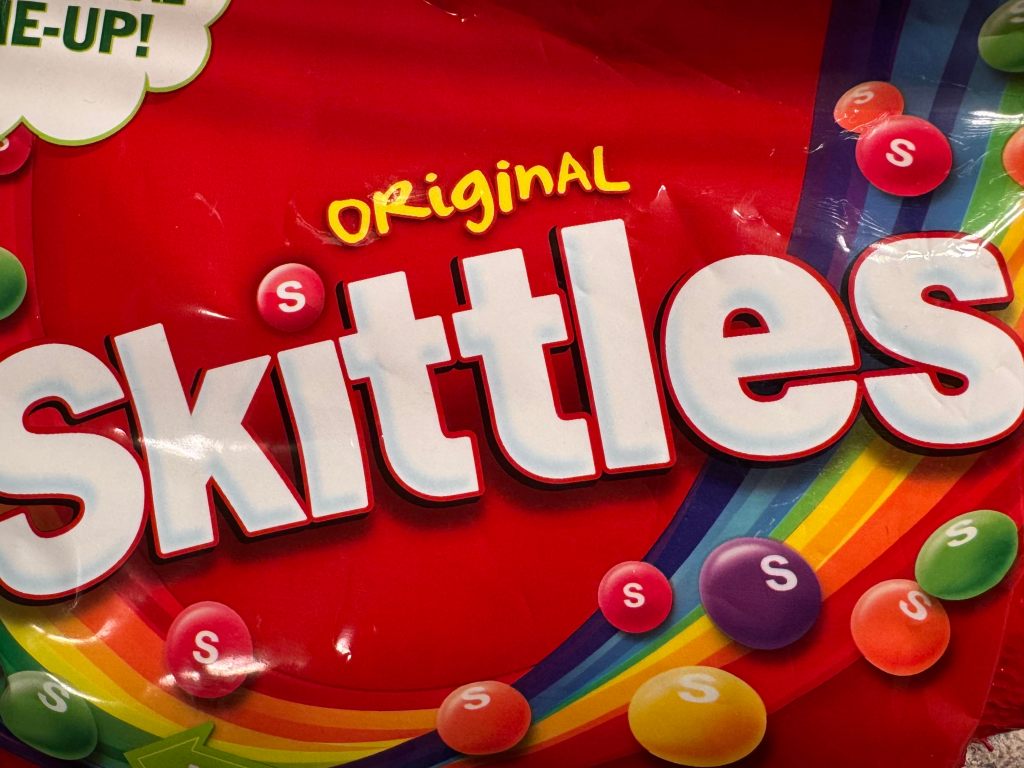
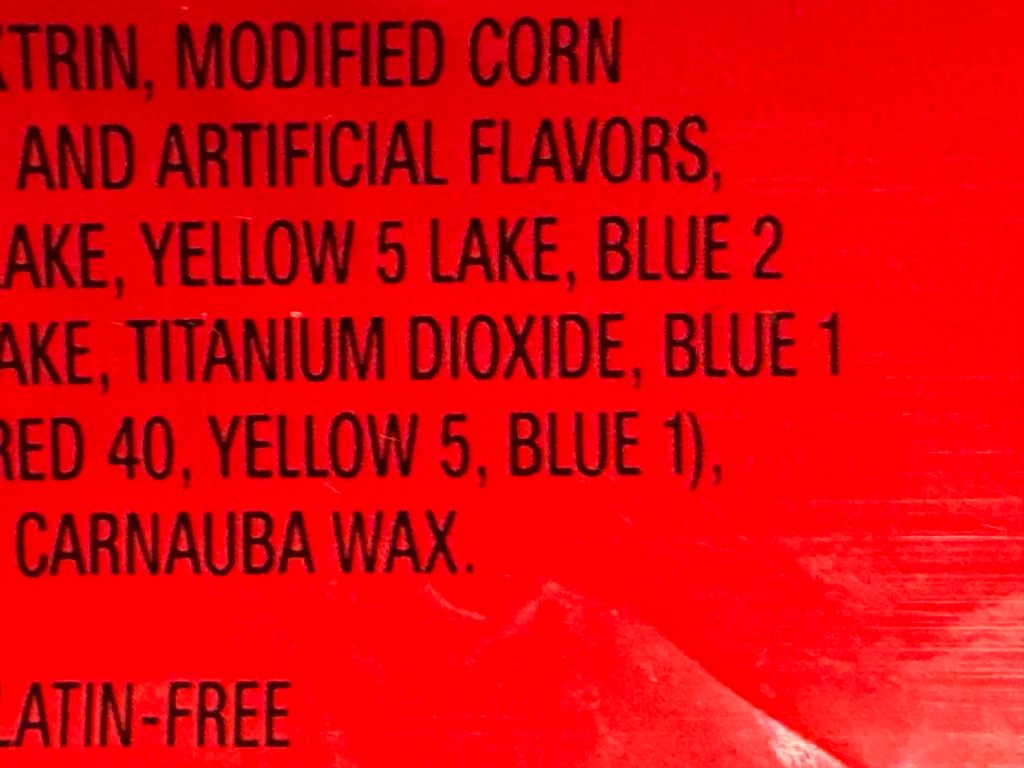
WASHINGTON, D.C. – This week, after almost a decade of advocacy by Center for Food Safety (CFS) and allies, Mars, Inc. confirmed they have removed titanium dioxide, a potentially carcinogenic food additive, from Skittles in the United States.
“As the nation’s leading public interest law firm focused on food and agriculture, we filed a legal petition with the FDA demanding a ban on titanium dioxide in food. We have long led the fight to close regulatory loopholes around nanotechnology and to ensure that emerging food technologies are subject to proper safety review and public accountability. Mars’s decision this week to finally reformulate Skittles is a long-overdue step in the right direction—but it’s not enough. This is just one product. Mars must commit to removing titanium dioxide from all of its food products, not just those that face consumer backlash or overseas regulation,” said Jaydee Hanson, Policy Director at CFS.
Two recent developments — the banning of titanium dioxide in school lunches in Arizona and HHS Secretary Robert F. Kennedy Jr.’s call for titanium dioxide to be banned as a synthetic food additive — prompted Mars to begin to ban the chemical from its food. “Now is the time for Mars and all other U.S. companies to take this carcinogenic additive out of foods and medicines,” he added.

On Thursday, Trump health czar RFK, Jr. applauded the announcement.
“You don’t need titanium dioxide to make rainbows,” he said.
In 2016, Mars, Inc. staff, led by Mars Vice President, Brad Figel, met with CFS Policy Director Jaydee Hanson about the use of nano and bulk titanium dioxide in their candies. Titanium dioxide is primarily used as a whitening agent in food and cosmetics. Exposure at the nano level, where particles are so small that they can pass into cells and through the body’s blood-brain barrier, has been linked to DNA damage, immune system toxicity, and has been classified as “possibly carcinogenic to humans” by the International Agency for Research on Cancer. Prior to this meeting, CFS had evaluated the candies in an electron microscope at Arizona State University and found that many Mars candies, including Skittles, contained nano-titanium dioxide. Our meeting secured a commitment from Mars to remove titanium dioxide from all their candies by 2021. When they missed that deadline, Mars staff communicated to CFS that although the European Union planned to force their hand by banning titanium dioxide in Europe, they were not going to honor their agreement with us until U.S. laws required it. CFS then filed a legal petition with the Food and Drug Administration (FDA) demanding that the agency remove this toxic chemical from our food.
This issue goes far beyond Skittles. Nanotechnology—the engineering of materials at the scale of atoms and molecules—is increasingly used in food to alter texture, enhance flavor, improve shelf life, or add color. But the federal government has utterly failed to keep up with this emerging threat. There is no requirement for companies to disclose the use of nanomaterials in food, and no regulatory framework to ensure their safety. The Food and Drug Administration (FDA) allows these substances onto the market without independent safety testing, treating them as “generally recognized as safe” based on outdated science and bulk-scale materials that behave very differently than their nano counterparts.