



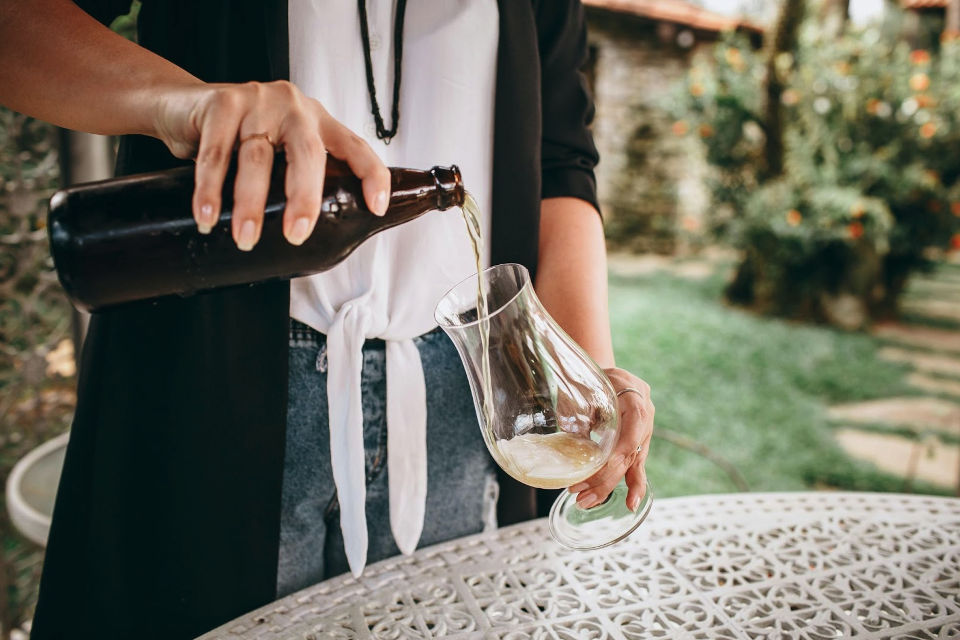
But it’s different somehow, pouring a pint of beer you yourself have crafted, with the fizz and the head, all made to just the way you like it. Home brewing is both an art and a science; that’s what makes it so rewarding.
The Heart of Home Brewing
Essentially, homebrewing is what makes the mundane extraordinary: water, malt, hops, and yeast. Each of these components plays a role in the finished product, and in that interaction, just a little bit of magic might take place. Be it a crisp, refreshing pilsner or a rich, velvety stout, these four ingredients leave the options for variations limitless.
The beauty of home brewing is in the balance. It invites you to experiment while it roots you in traditions centuries old. And that’s the beauty-there is no one way of doing things. Every batch becomes about what you like, what you’re interested in, and how much you want to learn.
Gathering Your Gear
First, you’re going to have to pick up some basic equipment and tools. For the amateur, choices can be overwhelming, but one doesn’t need to start with top-of-the-line gadgets. Very basically, it would include a fermenter, an airlock, a thermometer, and some bottles or kegs in which to store your masterpiece.
Specialty equipment like wort chillers, hydrometers, and mash tuns can streamline the process further for the truly adventurous. Most home brewers make their equipment personalized by using power tools either to modify or build the equipment. That just goes to show how connected people get with this art, they’re willing to get their hands dirty to make it truly theirs.
Ingredients: The Building Blocks
Now, to the basics: Water makes up a large part of your beer, so its quality counts. Sometimes filtered water is preferred, but depending on style, hard or soft may be more appropriate.
Malt provides the sugar needed for fermentation. It is the backbone of your beer, and it plays a huge role in developing the flavor and color. There are a lot of specialty malts that you can choose from that would give your beer complex, caramel, chocolate, or even roasted coffee notes.
Hops are like the spice rack; they are how you introduce some bitter to counter the sweet of the malt and the mechanism to imbue your beer with aroma: citrus, pine, floral hops can bring in an astonishing number of different elements to a beer.
And finally, there’s the key to magically converting sugars into alcohol and CO2. Choosing the right strain is important to achieving the flavor profile you want. From fruity to funky, yeast has a way of leaving its signature on every brew.
Brewing Process
It starts with mashing, soaking your malt in hot water to extract fermentable sugars. Next comes the boil, where at different times, you’ll add hops for various reasons: bitterness and aroma. Once you cool your wort, you transfer it into a fermenter, pitch yeast, and let time do its thing one minute at a time.
This is a sensitive stage in the process, where any slight change in temperature or deviation in timing could result in a completely different flavor. This is why so many brewers rely on timers and digital thermometers to get their brew exactly right. And, of course, a good stir from time to time ensures that ingredients are well distributed for a potential fermentation.
Fermentation is where everything happens. Depending on the style of beer, this phase can take anywhere from a week up to several months. Patience is a virtue here, but it is well rewarded. Once your beer has completed fermentation, it will need to be carbonated, either naturally or by adding CO2.
Common Pitfalls and How to Avoid Them
Every home brewer has a mistake or two on occasions. Contamination can easily happen, and for this reason, cleanliness is absolutely necessary. Sterilize anything that will touch your beer to avoid off-flavors and bad batches.
Then there is the factor of temperature. Yeast can be finicky; too much heat or cold sends fermentation into a dive. Invest in a temperature regulator, or just find a steady spot in the house, and you’re golden.
And lastly, not every batch turns out perfectly, so don’t be too hard on yourself; each one presents an opportunity to learn something and get closer to perfecting your process.
Tips for a Brew to Remember
Start Simple
Begin with a basic recipe and focus on mastering the fundamentals. Complexity can come later.
Take Notes
You need to keep a brewing journal on what works and doesn’t. This can be very helpful when looking back on what worked in the past and what mistakes to avoid again.
Experimentation
Once you get comfortable, try to add some ingredients that are more unusual, such as fruits, spices, or even coffee. It’s these things that can make your beers different.
Taste as You Go
Sampling at various stages will be helpful in observing how flavors develop, and where one might need to adjust.
The Sharing of the Experience
But there’s something almost communal to home brewing that’s hard to avoid. There’s a level of satisfaction to it when you’re sharing it with friends and family. Similarly, participation in local brewing clubs or events could introduce you to some interesting individuals. That is the best way to share tips, sample, and toast with other aficionados.
Building Confidence Through Community
The best part about brewing at home has got to be the camaraderie. Whether you’re on batch one or batch one hundred and one, there’s always someone who will give good advice, help you troubleshoot, or even just talk about what they’ve brewed lately. Online forums and meetups let you ask your questions, share recipes, or even trade ingredients. These connections can make what is otherwise a somewhat solitary hobby a shared passion that provides all the encouragement and inspiration to further experiment. You may find yourself, with growing confidence, even mentoring others in passing on that knowledge gained with your own brewing adventures.