



Purchasing a vintage car is more than just acquiring a vehicle; it’s about owning a piece of history, a symbol of craftsmanship, and a testament to a bygone era. The allure of vintage cars is undeniable, with their classic designs, unique charm, and the nostalgia they evoke. However, buying a vintage car isn’t like buying a modern vehicle. It requires a deep understanding of the car’s history, maintenance needs, and the market. If you’re considering investing in a vintage car, there are several crucial factors you need to be aware of to make an informed decision.

Join a Vintage Car Community
One of the best ways to gain knowledge and insights before purchasing a vintage car is by joining a vintage car community. These groups, whether online forums or local car clubs, can provide valuable advice, share experiences, and offer recommendations on everything from finding a reputable vintage car dealer to a trusted mechanic. Being part of a community also gives you access to events and shows where you can see a variety of vintage cars up close, talk to owners, and gain a better understanding of what owning a vintage car entails. Networking with other enthusiasts can be an invaluable resource as you navigate the process of purchasing your vintage vehicle.
Understand the True Cost of Ownership
One of the first things to consider before purchasing a vintage car is the true cost of ownership. Unlike modern cars, vintage vehicles often require more frequent maintenance and repairs, which can be costly. Parts for older cars may be rare, and finding a mechanic with the expertise to work on them can also add to the expense. Additionally, you’ll need to consider the cost of storage, as vintage cars often require special conditions to prevent deterioration, such as a climate-controlled garage. Insurance for vintage cars can also be more expensive, particularly if you plan to drive the car regularly. Understanding these costs upfront can help you avoid unpleasant surprises down the road.
Evaluate the Car’s Condition
Before purchasing a vintage car, it’s essential to thoroughly evaluate its condition. While some buyers may be tempted to take on a restoration project, it’s important to recognize the challenges and costs involved. Assessing the car’s condition involves more than just a visual inspection; you need to check the engine, transmission, electrical systems, and structural integrity. Rust is a common issue in older cars, and fixing it can be both time-consuming and expensive. It’s advisable to have a professional inspection conducted by someone who specializes in vintage cars to get a clear understanding of what you’re buying.
Research the Car’s History
A vintage car’s history can significantly impact its value and desirability. Before making a purchase, it’s crucial to research the car’s background thoroughly. This includes verifying the vehicle’s authenticity, confirming its original parts, and understanding its ownership history. A well-documented history with original paperwork, maintenance records, and details of any restorations can add significant value to the car. Additionally, knowing the car’s history can help you avoid purchasing a vehicle with a hidden past, such as one that has been in a major accident or has had significant modifications that detract from its originality.
Consider the Purpose of the Purchase
When buying a vintage car, it’s important to consider what you want out of the purchase. Are you looking for a show car, a weekend cruiser, or a long-term investment? The purpose of your purchase will influence the type of car you buy, its condition, and how much you’re willing to spend. Show cars, for example, need to be in near-perfect condition, which can come with a higher price tag. If you plan to drive the car regularly, you’ll want a model known for its reliability and availability of parts. If you’re buying as an investment, you’ll need to research which models are appreciating and why. Understanding your goals will help you narrow down your choices and make a purchase that aligns with your expectations.
Be Prepared for the Time Commitment
Owning a vintage car is often more time-consuming than owning a modern vehicle. Regular maintenance, sourcing parts, and dealing with repairs require a significant time investment. If you enjoy working on cars, this can be a rewarding aspect of vintage car ownership. However, if you’re not mechanically inclined, you may find the time commitment challenging. It’s important to be realistic about the level of involvement you’re willing to have in maintaining the car. Some owners relish the opportunity to spend weekends under the hood, while others may prefer to drive the car without the hassle of constant upkeep. Knowing your level of commitment beforehand will help ensure you make a purchase that fits your lifestyle.
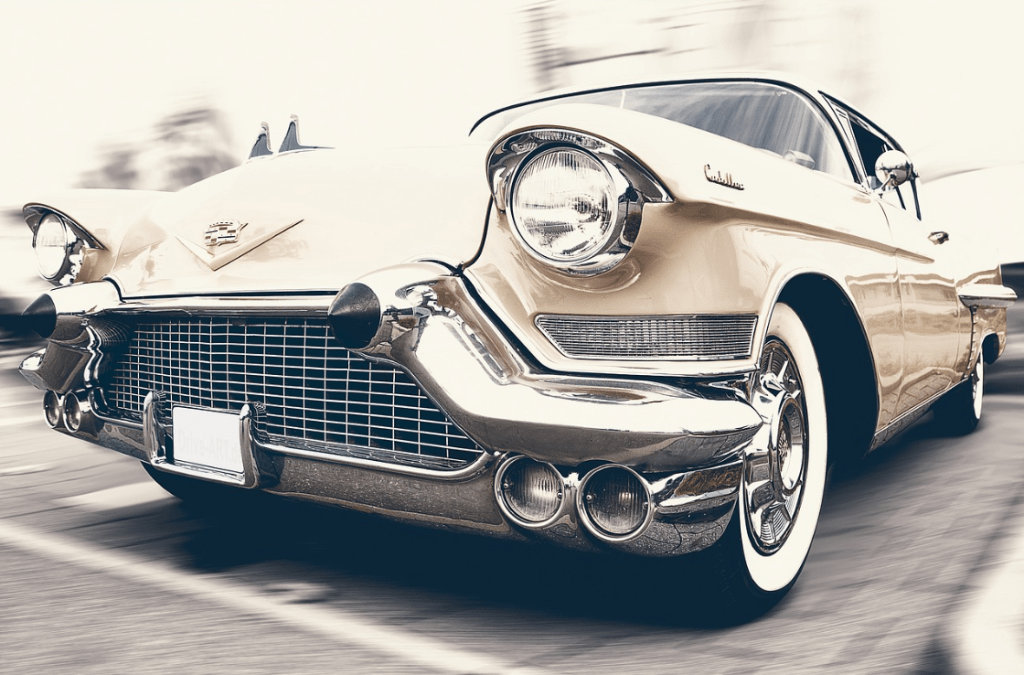
Purchasing a vintage car can be a fulfilling and exciting experience, but it’s not a decision to be taken lightly. By understanding the true cost of ownership, thoroughly evaluating the car’s condition, researching its history, considering your purpose for buying, engaging with a vintage car community, and being prepared for the time commitment, you can make an informed decision that you’ll be happy with for years to come. Vintage cars offer a unique connection to the past and can bring immense joy to their owners, but only if you go into the purchase with your eyes wide open.