



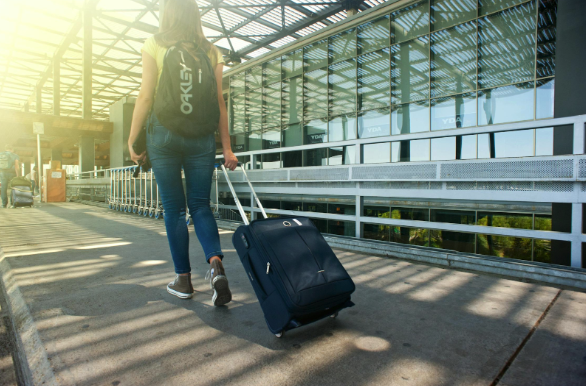
City travel offers excitement, culture, and convenience, but it also comes with challenges that can affect comfort. Noise, crowds, and shared spaces often make it difficult for travelers to fully relax. After busy days navigating streets, attractions, and schedules, having a calm and private place to return to becomes essential.
Accommodations strongly influence how restful a city stay feels. When privacy and personal comfort are limited, even the most interesting destinations can feel exhausting. This is why many travelers prefer Vacation Rentals, which are designed to offer a quieter, more personal experience within busy urban environments.
This focus on comfort and privacy is central to how Stay Portland approaches city accommodations, prioritizing spaces that allow guests to unwind and feel at ease despite the surrounding activity.
Why privacy matters more in urban travel
Cities are naturally dense and active. Shared walls, hallways, and common areas increase exposure to noise and interruptions.
Private accommodations give travelers control over their environment, which is especially valuable in high-energy settings.
The impact of noise on rest and recovery
Urban noise can disrupt sleep and relaxation. Traffic, nightlife, and foot traffic often continue late into the night.
Spaces designed for privacy help reduce exposure to these disturbances, supporting better rest.
Separation from shared common areas
Traditional lodging often requires guests to pass through lobbies, elevators, and corridors.
Private entrances and self-contained spaces reduce unwanted interaction and increase comfort.
Personal space as a stress reducer
After navigating crowded streets, personal space becomes restorative.
Having room to spread out, sit quietly, or enjoy solitude helps travelers decompress.
Control over daily routines
Privacy allows travelers to follow their own schedules without disruption.
Morning routines, late nights, or midday rest become easier without shared constraints.
Quiet evenings after busy days
Evenings are often when travelers need calm the most.
Private accommodations provide a peaceful setting to unwind without external interruptions.
Better sleep through thoughtful layout
Separate sleeping areas reduce exposure to noise from other guests.
Layout design plays a key role in how restful a stay feels.
Reducing exposure to unpredictable disturbances
Shared environments introduce unpredictability, from hallway noise to neighboring activity.
Private spaces minimize these variables.
Comfort beyond the bedroom
Comfort extends beyond sleeping. Living areas provide space to relax without feeling confined.
Vacation Rentals often include seating and layout options that support true downtime.
The value of controlled lighting and temperature
Shared accommodations often limit environmental control.
Private spaces allow guests to adjust lighting and temperature to personal preferences.
Privacy for personal moments
Travel includes moments that require discretion, from phone calls to quiet reflection.
Private accommodations support these needs naturally.
Supporting couples and solo travelers alike
Couples benefit from uninterrupted time together, while solo travelers value solitude.
Private spaces adapt to both experiences seamlessly.
Reduced exposure to shared amenities
Shared gyms, lounges, and dining areas increase interaction and noise.
Private amenities reduce reliance on these spaces.
Mental comfort through autonomy
Autonomy over one’s space improves mental comfort.
Travelers feel more secure and relaxed when they control their environment.
Creating a sense of retreat within the city
A calm retreat enhances the overall travel experience.
Private accommodations act as a buffer between the traveler and the city’s intensity.
The role of layout in privacy
Walls, doors, and room separation matter.
Well-planned layouts prevent sound travel and visual intrusion.
Supporting longer urban stays
Privacy becomes more important as stay length increases.
Vacation Rentals support longer city visits by offering sustainable comfort.
Avoiding overstimulation
Cities can overstimulate the senses.
Quiet, private spaces allow travelers to reset.
Enhancing emotional well-being
Privacy supports emotional balance and reduces fatigue.
Travel feels more enjoyable when rest is protected.
Fewer social obligations
Shared accommodations often come with unspoken social expectations.
Private spaces eliminate these pressures.
Confidence in personal security
Privacy also enhances the feeling of safety.
Controlled access supports peace of mind.
Supporting work and communication needs
City travelers may need to take calls or work briefly.
Private environments support focus and professionalism.
Managing different travel rhythms
Not all travelers follow the same pace.
Privacy allows individuals to rest while others remain active.
Better mornings and smoother transitions
Quiet mornings set the tone for the day.
Private spaces allow gradual starts without disturbance.
Personal belongings and organization
Privacy makes it easier to organize and store belongings comfortably.
Clutter-free spaces feel calmer.
Comfort during downtime
Downtime is essential, not optional.
Vacation Rentals provide space where downtime feels natural and restorative.
Avoiding shared schedules
Shared accommodations often require adapting to others’ schedules.
Private stays eliminate this inconvenience.
Maintaining personal boundaries
Boundaries support comfort, especially during travel.
Private spaces respect these boundaries.
Supporting health and recovery
Rest and privacy contribute to physical recovery after long days.
Travelers feel more energized.
The difference privacy makes over time
Short stays may tolerate limited privacy.
Longer stays require it.
Why urban travelers prioritize quiet
Quiet enhances enjoyment of city experiences.
Rested travelers explore more confidently.
Thoughtful hosting and design
Comfort and privacy depend on design choices.
Midway through many city stays, Stay Portland highlights how thoughtful layouts and quiet, self-contained spaces support relaxation even in busy urban environments.
Reducing travel burnout
Burnout often stems from lack of rest.
Private accommodations reduce this risk.
Building trust in accommodation choice
When privacy expectations are met, trust increases.
Travelers book with confidence.
Enhancing repeat city visits
Comfortable stays encourage return trips.
Familiar privacy builds loyalty.
Why comfort shapes city memories
Memories are influenced by how travelers feel.
Restful stays create positive impressions.
The balance between access and retreat
City travel requires both accessibility and rest.
Private accommodations offer both.
Adapting to different city environments
Every city has its own rhythm.
Private spaces help travelers adapt comfortably.
Supporting mindful urban travel
Mindful travel values balance and presence.
Privacy supports this mindset.
The modern expectation of privacy
Today’s travelers expect more control and comfort.
Vacation Rentals meet these expectations naturally.
Conclusion
City travel is most enjoyable when comfort and privacy balance the excitement of urban life. Noise, crowds, and shared spaces can quickly drain energy if accommodations do not provide relief. Vacation Rentals address these challenges by offering private, comfortable environments where travelers can rest, reset, and enjoy personal space within the city.
By prioritizing quiet, autonomy, and thoughtful design, travelers experience cities with greater ease and enjoyment. With a commitment to comfort-focused urban stays, Stay Portland continues to show how the right accommodations can transform busy city trips into relaxed, confident, and genuinely satisfying experiences.