



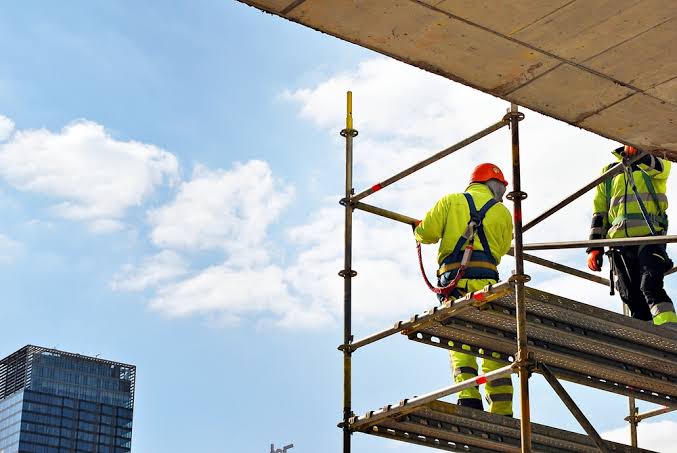
Temporary works are where projects earn or lose their safety margin. From scaffold towers to shoring frames and formwork decks, these structures carry dynamic loads in fast-changing conditions. Menotti Enterprise is helping teams modernize these high-exposure zones with sensors, analytics, and smarter routines that turn temporary works from a risk into a real-time data source.
The shift is practical, not theoretical. Simple strain gauges, displacement sensors, and vibration monitors can reveal when a ledger is over-stressed, a tie has loosened, or a deck is taking more load than planned. Instead of discovering problems during an inspection—or after a near miss—teams get early warnings that direct attention to the exact bay, brace, or connection that needs correction.
As projects compress schedules and stack trades, visibility into temporary works becomes non-negotiable. Digital monitoring doesn’t replace the scaffold tag or the competent person; it amplifies both. With clear thresholds and tidy alerts, supervisors move from reactive checks to proactive control, keeping crews confident and productive.
Why Sensors Belong on Temporary Works
Temporary works live hard lives. Loads migrate as materials arrive, weather shifts, and sequences change. Manual checks catch many issues, but sensors fill the gaps between inspections.
What fails—and how data helps
Shifts in settlement, wind-induced sway, missing pins, or unplanned stockpiles can push a compliant design past its margin. Spot sensors collect strain, deflection, and acceleration data to flag abnormal patterns early, long before a condition becomes dangerous.
From blanket caution to targeted action
Instead of shutting a whole run, a smart scaffold points you to Bay 7, Level 3, right-side ledger. A two-minute fix replaces a two-hour pause. That precision reduces downtime and increases trust in controls.
Accountability that strengthens culture
Logged readings, photos of corrections, and automated summaries document due diligence. This record supports the competent person’s sign-offs and clarifies handoffs between shifts and trades.
Building a Smart Scaffold Stack
You don’t need a lab. Start with the smallest kit that answers the most pressing questions, then scale.
Core sensors to consider
Strain gauges on ledgers or braces to spot overload; tilt sensors on towers to detect lean; LVDTs or laser displacement sensors across longer spans to measure deflection; vibration sensors to monitor sway during wind or material movement. Choose IP-rated units designed for dust and moisture.
Communications and power
In dense urban settings, low-power mesh or cellular gateways work well. Use battery packs sized for the monitoring window, with solar trickle where exposure allows. Keep spare batteries at the permit desk so swaps ride existing routines.
Thresholds and alerts
Set practical thresholds based on engineered limits and expected daily variation. Aim for two alert levels: caution (inspect soon) and action (secure area and correct). Route alerts to the competent person and the area superintendent—no broad blasts that cause alarm fatigue.
Designing for Installation and Maintenance
If devices are hard to place or service, they’ll drift out of use. Make it easy.
Mounts and protection
Use quick-clamp brackets that avoid drilling into components. Protect sensor faces with small guards against impacts from materials or carts. Label each device with a simple ID that maps to a QR code on the scaffold tag.
Swap in minutes
Align battery changeouts and sensor checks with the daily inspection. A five-minute routine—wipe dust, confirm blink pattern, test ping—keeps the system reliable without killing momentum.
Calibration and verification
At install, take a baseline under known loads. After major configuration changes—added bays, new ties, or a tower relocation—log a new baseline. Verification photos live with the daily tag record.
Use Cases That Deliver Fast Wins
Focus on areas where exposure is highest and change is frequent.
Long runs along active façades
As trades load materials on platforms, sensors track deflection. If thresholds inch up in a single bay, crews rebalance stock or add a brace before planks feel spongy.
Shoring and reshoring under fresh slabs
Early-age concrete and shifting reshoring patterns can overload a few posts. Strain sensors on select members flag hotspots during pour days and the first 72 hours after.
Stair towers in windy corridors
Tilt and acceleration sensors detect gust-induced sway. If motion passes a comfort threshold, add ties or wind bracing and retest. Data makes the case without debate.
Cantilevered platforms and loading bays
Short, sharp overloads from a forklift or hoist landing are visible in the signal. Train operators to respect posted limits, backed by real feedback, not just a sign.
Integrating Smart Data Into Daily Work
Sensors only help if their insights land where decisions happen.
The scaffold tag, upgraded
Add a tiny QR code to the tag. Scanning opens a simple dashboard: green/yellow/red, last three readings, and a photo of the last corrective action. The competent person sees context at a glance.
Huddles and handoffs
Fold a 60-second “temporary works update” into the morning briefing. If any bay is yellow, assign an owner and a time to inspect. At shift change, confirm status before the new crew loads in.
Close-the-loop photos
Every correction gets a quick photo tied to the device ID. The log becomes a living as-built of your temporary works history—priceless during audits or after weather events.
Roles, Responsibility, and Competency
People make technology work. Clarify who does what from day one.
Competent person, empowered
They remain the authority. Sensors are aids, not overrides. The competent person decides controls, accepts the scaffold, and signs the tag, informed by better data.
Trade coordination
Assign a “deck steward” per trade during heavy use periods. They confirm load limits, help maintain clear access to sensors, and report anomalies early.
Engineering support
For complex setups, schedule quick check-ins with the temporary works engineer. Share weekly summaries and any excursions beyond caution. Small design tweaks—extra ties, alternate bracing—often follow naturally.
Weather, Schedule Pressure, and Change Management
Temporary works feel the environment and the plan.
Wind and storms
Create a weather variant of your plan. If forecasts predict gusts beyond a set threshold, reduce staged materials, add ties, or restrict access. After a storm, run a rapid sensor scan and a targeted visual before lifting restrictions.
Phase changes
When lifting operations begin or crews shift to heavy cladding, anticipate new loads. Move or add sensors to the affected bays and reset baselines. Announce changes in the huddle.
Nights and weekends
Schedule heartbeat checks during off-hours. If an alert fires without crews present, security calls the on-call supervisor. A quick response prevents Monday surprises.
Data Governance and Privacy
Keep data purposeful and tight.
Retention
Store raw readings long enough to analyze trends across the task or phase, then archive summaries. Keep access limited to safety, supervision, and engineering support.
Simplicity over sprawl
Avoid drowning teams in graphs. Default to a one-page weekly summary with three sections: what stayed stable, where we intervened, and what we changed in design or housekeeping.
Cost, ROI, and Scaling Smartly
The business case lives in avoided stoppages, fewer reconfigurations, and stronger proof of control.
Start small
Outfit one high-risk run and one shoring zone. Track interventions, time saved, and any prevented stoppages. If the alerts led to targeted fixes and shorter pauses, expand.
Insurer and client confidence
Demonstrating instrumented control of temporary works can improve perceptions of risk. Share anonymized summaries with stakeholders to reinforce diligence.
Standard kits
Build a rolling case with preconfigured sensors, brackets, batteries, wipes, and a handheld tester. A ready kit keeps adoption high and setup times low.
Training That Makes It Stick
Knowledge drives trust in the readings.
Ten-minute toolbox
Teach the why: what a deflection alert means, how to relieve load safely, when to call the competent person, and what not to do (no ad-hoc bracing). Keep it practical.
Micro refreshers
Weekly 5-minute refreshers cover one topic—battery swaps, reading the dashboard, securing leads. Short repetition beats long seminars.
Multilingual cues
Use icons and color codes on tags and dashboards. Pair plain language with visuals so the message carries across crews.
Where Construction Site Safety Consultants Fit
Instrumented temporary works are most effective when design, field practice, and data loop together. Construction Site Safety Consultants help write the monitoring plan, set thresholds with the engineer, and tune alerts so they stay meaningful. They also coach supervisors on integrating readings into decisions, keeping the system lean and trusted. Construction Site Safety Consultants can standardize the kit, align it with the inspection program, and ensure lessons learned move to the next phase and site. Menotti Enterprise partners with project teams in that exact way—making sure the technology serves the work, not the other way around.
Conclusion
Temporary works carry the most dynamic risks on a project, but they also offer the clearest path to modern, measurable control. With a handful of robust sensors, disciplined thresholds, and tight routines, teams can spot overloads, lean, or loosened ties long before crews feel them. Construction Site Safety Consultants bring the structure that turns signals into safe, fast decisions—design support, field coaching, and documentation that stands up to scrutiny. By starting small, integrating with the competent person’s authority, and scaling what works, projects gain time, confidence, and a safer rhythm day after day. Menotti Enterprise helps build that rhythm—sensor by sensor, bay by bay—so temporary works become a strength, and crews finish phases safer and faster with Menotti Enterprise.