



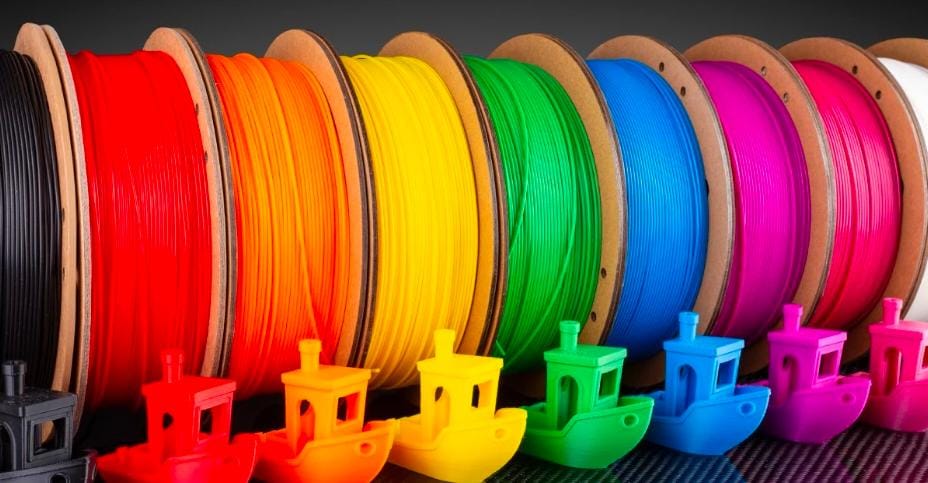
3D printing is one of the most exciting technologies in the world nowadays. It allows humans to create objects for domestic use with the use of special machines and plastic filaments. One of the most commonly used filaments is PLA. In fact, PLA 3D filament is changing the manner in which human beings use laptop 3D printers every day. From students to hobbyists, this filament is helping make 3D printing easier, more secure, and more of a laugh.
What is PLA filament?
PLA means polylactic acid. It is a bioplastic made of herbal materials such as cornstarch or sugarcane. Unlike traditional plastic, PLA is green and very safe to use at home.
The PLA thread is in a reel, and it is downloaded to create a structure with parts in one structure in 3D printers. Heated, it becomes soft and flows via the nozzle in the printer after which it is cooled, eventually becoming rigid in order to form the shape.
Why PLA Is Perfect for Desktop 3D Printing
- Easy for Beginners
PLA 3D filament is one of the simplest substances to print with. It does not warp or shrink easily now, which means that your prints stay in the vicinity of the build plate. If you are simply starting out with a 3D printer, PLA is the quality choice to start your journey.
- Smooth and Clean Prints
PLA offers awesome results. It produces detailed, clean models that appear professional, even on small domestic printers. This makes it a fave for printing toys, models, decorations, or even instructional gear.
- Low Printing Temperature
PLA melts at a low temperature (around one hundred ninety–210°C). This reduces pressure on the printer and makes it safer to apply. Many computing devices and 3D printers, just like the ones from tech, are designed to work flawlessly with PLA.
PLA vs. Other 3D Printing Filaments
When selecting a filament, it’s critical to apprehend the differences. Here’s how PLA compares to different commonplace 3D printing materials:
| Feature | PLA | ABS | PETG |
| Melting Temp | 190–210°C | 220–250°C | 230–250°C |
| Odor | Low/None | Strong | Low |
| Warping | Low | High | Medium |
| Ease of Use | Very Easy | Hard | Moderate |
| Eco-Friendly | Yes | No | No |
As you may see, PLA is the most newbie-friendly filament, with many advantages over others.
Why PLA Is a Favorite Among Home Users
Thanks to corporations like tech, computing device 3D printing has come to be lower priced and less difficult to access. PLA 3D filament is a massive part of that success.
Benefits of Using PLA at Home:
- No strong fumes—outstanding for indoor use
- No heated mattress wanted—a few printers work great without it.
- Comes in many colors—even glow-in-the-dark and silk finishes.
- Safe for learning environments—ideal for kids and students
PLA also prints faster than many other substances, so you don’t need to wait long to see your model completed.
How PLA Helps in Learning and Innovation
PLA isn’t only for a laugh. Schools, engineers, and designers use it for actual tasks. It’s useful in:
- STEM Education—coaching children on how things are made
- Prototype Design – checking out parts earlier than final production
- Home Repair – printing substitute elements
- Arts and Crafts – designing custom portions
With easy right of entry to PLA and printers like those from tech, more people can innovate from their homes or lecture rooms.
Tips for Printing with PLA
To get first-class outcomes with PLA filament:
- Set the nozzle temperature to one hundred ninety–210°C.
- Keep the mattress at 50–60°C if wished.
- Use exact-exceptional filament (keep away from moisture).
- Store filament in a dry, cool vicinity.
Following these recommendations helps save you failed prints and keeps your printer in proper shape.
How Makes PLA Printing Better
Geeetech is a famous name in 3D printing. Their printers are designed to suit the user and work easily with PLA filament. Whether you are an amateur or seasoned, printers are low-priced, dependable, and clean to apply.
Key features of printers for PLA:
- Open-source – allows customization
- Strong network aid—many tutorials and forums
- Built for PLA—handles temperature and print pace nicely
Using PLA filament with printers gives customers a powerful mixture of fineness and ease.
Final Words
PLA three-D filament is genuinely revolutionizing computer 3D printing. It makes printing easy, safe, and environmentally friendly. With low cost and high exceptionality, it opens the door for anyone to join the international 3D printing community.
Whether you’re creating toys, models, gear, or college tasks, PLA is the nice filament to bring your ideas to life. And with dependable printers like those from Geeetech, the system will become even smoother.
Therefore, if you choose to start 3D printing in any house or faculty, consider using PLA filament, which is the biggest partner in terms of creativity, education, and fun.
Frequently Asked Questions (FAQs)
Q1: What is the PLA abbreviation?
A: PLA manner Polylactic acid is a kind of plastic crafted from cornstarch or sugarcane.
Q2: Can PLA be used by children?
A: Yes! With in-person supervision and a safe printer setup, PLA is exceptional for youngsters.
Q3: Is PLA robust enough for normal items?
A: PLA is robust for light-duty objects but not perfect for components that face warmth or heavy pressure.
Q4: How long does PLA last?
A: PLA can last for years if saved dry and away from daylight.
Q5: Can I recycle PLA?
A: PLA is compostable in business centers but not now in most domestic recycling packing containers.