



Owning a home involves various responsibilities, including maintaining the roof overhead. A roof protects your home and contributes significantly to its aesthetic and structural integrity. Many homeowners often debate between upgrading an entire roof or renovating the existing structure. Understanding each choice’s benefits and challenges can help you make informed decisions. Essential factors such as cost, material longevity, climate suitability, and installation processes come into play. Additionally, seeking guidance from expert roof installers can provide clarity and ensure that the right approach is adopted based on individual circumstances. In this discussion, we aim to explore essential facts about upgrading and renovating your roof.
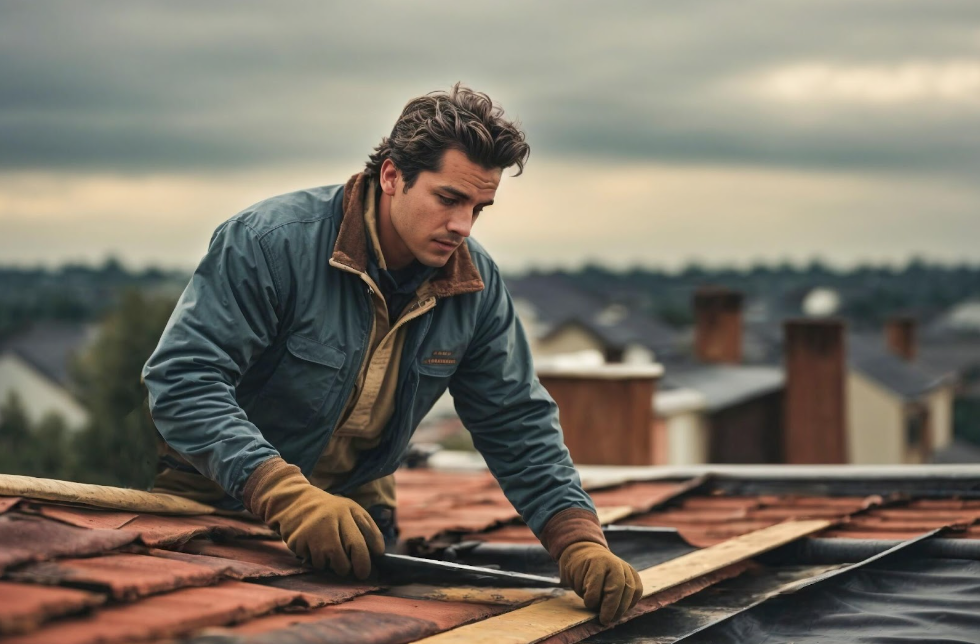
Cost Considerations for Upgrading vs. Renovating
Cost is one of the primary drivers of decision-making regarding roof upgrading or renovating. Upgrading a roof can involve substantial upfront expenses. Modern roofing materials often come with enhanced durability and energy-efficient properties, which can translate into lower utility bills in the long run. Conversely, renovations typically require less financial outlay but may not have the same long-term benefits. Homeowners should conduct a cost-benefit analysis considering factors such as the lifespan of the materials, warranty options, and potential savings on energy bills. Depending on the materials chosen, homeowners could spend anywhere from $5,000 to over $20,000 on a new roof compared to a few thousand for renovations. Evaluating these costs alongside your budget will help determine the most feasible option.
The Role of Climate in Your Decision
Climate plays a crucial role in any decision about your roof. Different materials react uniquely to various weather conditions, significantly impacting their longevity. For example, areas prone to heavy rainfall require materials that resist water, while regions exposed to extreme heat benefit from reflective options. Furthermore, choosing the right material can enhance energy efficiency by providing additional insulation and reducing cooling costs. As such, homeowners must consider local climate patterns when deciding on upgrades or renovations. It’s recommended that local building codes and regulations be consulted to ensure compliance with and suitability of the chosen materials. This knowledge will not only enhance the roof’s lifespan but could also contribute to a more comfortable living environment.
Material Choices: Making the Right Selection
Each roof material option has varied advantages and drawbacks, from traditional asphalt shingles to modern metal roofs. Slate and tile roofs, while beautiful, come with higher cost and maintenance. It’s essential to recognize that some materials may qualify for insurance discounts due to their durability and performance. Evaluating these factors provides insight into what type of material aligns with the homeowner’s budget and aesthetic preferences. Engaging with professionals in the industry can further illuminate the pros and cons of each material type, guiding homeowners in making informed choices.
Understanding the Installation Process
Whether opting for an upgrade or a renovation, understanding the installation process is vital. Different roofs require varied installation methods, which can affect timelines and costs. The installation involves several steps, from removing old materials to preparing the underlying structure for new layers. Improper installation can lead to severe problems like leaks or structural compromise down the line. Homeowners should hire experienced contractors who are knowledgeable about the specific materials and methodologies involved. As a rule, always ask for references and check prior work to gauge a contractor’s proficiency. This diligence ensures that the solution provided stands the test of time.
Long-Term Benefits vs. Short-Term Solutions
When deciding between a complete upgrade or a simple renovation, weighing long-term benefits against immediate solutions is essential. While a renovation may save money upfront, it could result in higher maintenance costs if the materials aren’t designed for longevity. Opting for a superior material during an upgrade could mitigate long-term costs by reducing the need for frequent repairs. Furthermore, an upgraded roof can positively affect home value in terms of sale. Aesthetic upgrades can be equally important, improving curb appeal and potentially attracting buyers. Homeowners should consider their long-term plans and financial capabilities when approaching these decisions. Investing wisely in a roof now can yield significant returns in the future.
Local Regulations and Building Codes
Understanding local regulations and building codes is vital when considering any work. Different regions have unique codes that dictate materials and construction methods. Upgrading a roof might require permits, inspections, and adherence to strict standards to ensure safety and compliance. Similarly, renovations may also entail inspections, depending on the extent of the work. Homeowners should research these requirements thoroughly to avoid fines or delays. Engaging with professionals familiar with local regulations can save significant time and hassle. Ensuring the project complies with local codes guarantees that safety is prioritized and builds credibility with future buyers. Failure to follow regulations can lead to considerable setbacks that may cost time and money.

Homeowners face essential decisions concerning their systems. It is necessary to evaluate the various aspects, including the condition of their roof, expense considerations, climate, material options, and installation processes. The decision that aligns best with present needs and future objectives will enhance the integrity and appeal of a home. Understanding the implications of a total upgrade or a renovation can empower homeowners to make informed choices about their roofs. Emphasizing professional guidance throughout the process guarantees that every step taken leads to a more secure and aesthetically appealing roof over their heads.