



Did you know your liver is one of the hardest-working organs in the human body? This organ truly keeps on working behind the scenes, dealing with more than 500 vital functions, detoxifying harmful substances, producing essential proteins, managing nutrients, and helping digestion. Due to its gradual and often symptomless progression, liver disease frequently goes undetected until it reaches severe, life-threatening stages.
Routine check-ups with your liver enable monitoring of its health condition, and detection of potential problems at a very early stage, and thus ensure that this vital organ keeps you in top working condition. In the article ahead, let’s find out why one needs to have a healthy liver, how the check-ups are done, and how to take care of your liver.
Protecting Your Liver Health
A healthy liver has a powerful impact on energy levels, immune response, and mental clarity. Regular check-ups on the liver help catch problems early, such as fatty liver disease, hepatitis, or cirrhosis making treatment far more effective and often preventing disease progression altogether. So when discussing liver health, it’s very important to recognize that lifestyle, genetics, and amazon liver cleanse supplement all play a role in making this organ strong.
Liver Health Formulas and Supplementation
Supplements are taken to support the liver, bolster liver function, and help with detoxification, with several liver health formula products available in the market for people needing a liver boost.
These supplements could be taken for a boost of liver function and detoxification purposes. These supplements commonly contain milk thistle and turmeric, both known for their antioxidant and anti-inflammatory properties. With a healthy diet, liver supplements would take some pressure off the liver and present a healthy outlook, giving life support with regular check-ups with the physician.
Why Do We Need Liver Check-ups?
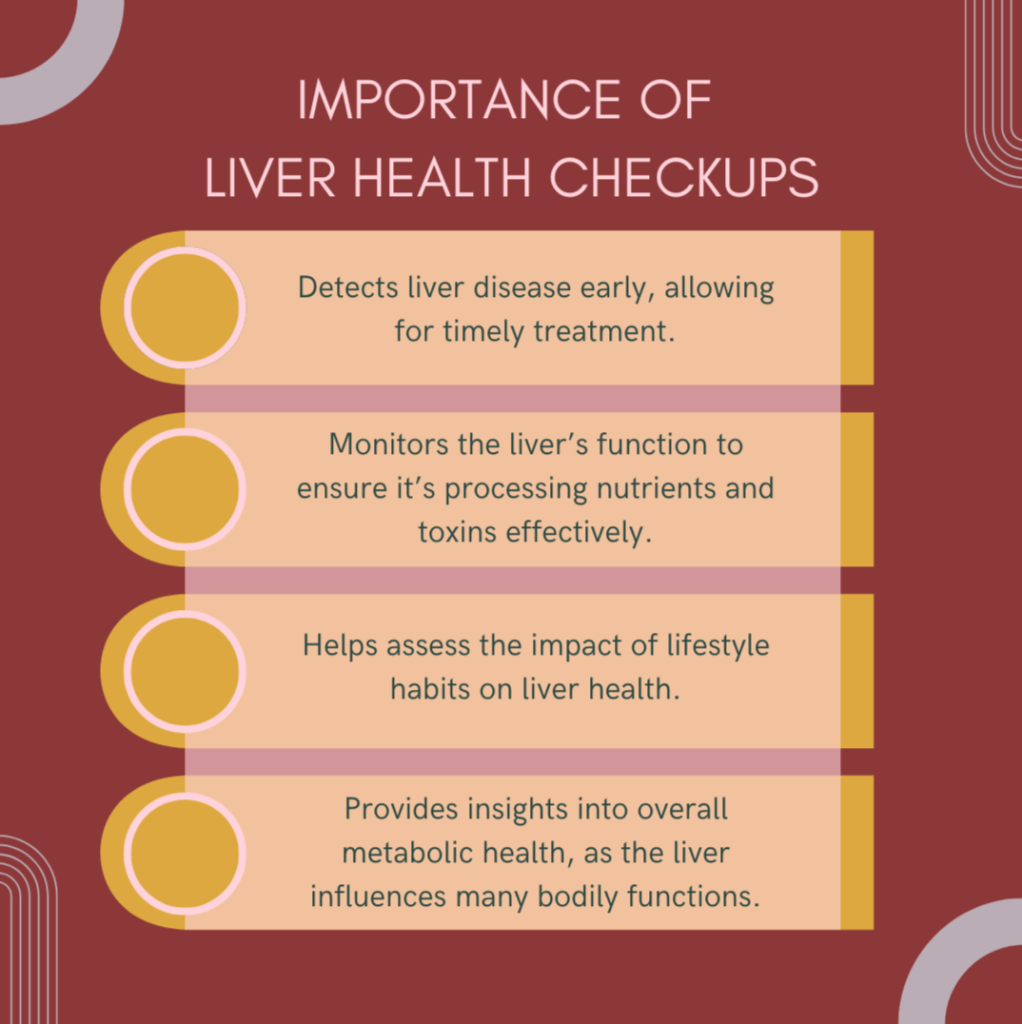
The prevalence of diseases in the liver might not be noticed even until lesions have caused massive harm if one does not seek medical attention. Here are key reasons why regular liver health screenings are essential.
Liver Disease Early Detection
Liver screening enables one to detect common conditions of the liver, such as hepatitis, liver fibrosis, and cirrhosis. At this point, then, they can take prompt action to prevent further damage.
Monitoring Enzyme Levels
Blood studies may reveal abnormal elevation of the liver enzymes with or without signs and symptoms of inflammation or damage to the liver. An early follow-up would offer preventive measures if any problems arise.
Liver Cancer Risk Reduction
Chronic liver disease conditions may eventually cause cancer, but screening will often identify precancerous changes before these changes become cancerous, thereby decreasing the chances that they develop undetected.
Fatty Liver Disease Management
Much of the population suffers from non-alcoholic fatty liver disease due to a lousy diet and lifestyle. Regular check-ups can thus handle this silent yet common condition in time.
Periodic screenings prevent a wrong long-term habit of causing more reason to the liver, which can take a little wear and tear. You can help detect impending problems even when they do not threaten your life regarding your liver health.
When to Get a Check-Up on Your Liver
Regular check-ups are ideal, but certain signs indicate it’s time to get a liver test. If you experience any of these signs, it’s best to visit the doctor as soon as possible:
- Chronic Fatigue: Chronic fatigue that is not associated with any activity may be one of the first signs that something is wrong in the liver.
- Jaundice: A yellowish hue on the skin and eyes may be a sign of damage to the liver.
- Abdominal Pain and Swelling: Pain in the upper right section of the abdomen may also be a sign of illness related to the liver.
- Dark Urine and Pale Stools: Indicative of the poor liver condition which causes a decrease in the production of bile.
The sooner one detects these symptoms, the higher the chances of proper management of the liver before severe problems develop.
How Liver Check-ups Work
Liver check-ups are generally composed of various tests done together to give a comprehensive view of your overall liver health:
Blood Tests
Liver function tests (LFTs) measure the levels of liver enzymes, bilirubin, and proteins in the blood and give an understanding of the status of the liver. Slightly abnormal levels of enzymes might indicate inflammation, infection, or damage to the liver. A CBC may also be conducted to recognize infections as well as other issues with the liver.
Imaging Tests
Imaging helps doctors see structural problems within the liver. Some of the common imaging tests include:
- Ultrasound: A non-invasive test used to detect signs of fatty liver, cysts, or tumors.
- MRI or CT Scans: Ideal for further examination if abnormalities are detected on ultrasound because they give a more defined image of the livers.
- FibroScan: This is one of the high-tech tests used to obtain the measurement of a stiff liver. Possibilities of having a stiff liver indicate an emergence of fibrosis or scarring. It can be used in monitoring patients who have chronic liver diseases, such as hepatitis C or cirrhosis, in case the latter advances further to achieve severe liver damage if it is left unchecked.
These tests give a complete understanding of the health of the liver, thus allowing for the early detection and proper treatment of issues.
Ways to Keep Your Liver Healthy
Regular checkups and liver health formulas are beneficial, but daily habits can truly go a long way in keeping a healthy liver. Conditions cannot develop without them. Here’s what you need to keep your liver healthy:
Exercise
Regular exercise promotes a healthy metabolism, meaning less fat will build up and keep your liver in the best possible shape. Aim for at least 150 minutes of moderate exercise per week.
Reduce Alcohol Consumption
Over-consumption of alcohol also contributes to another significant cause of liver damage. Therefore, limiting the amount you consume according to a defined standard for a week can give your liver adequate time off from the task of breaking down alcohol.
Maintain a Healthy Weight
Obesity is an enormous risk factor for liver disease. Studies also show that a small percentage of loss in body weight affects liver health and improves it.
Healthy Diet
Consume more fiber and vegetable-high foods, lean protein sources, and healthy fats and have reduced high sugar foods and processed meals. This diet reduces the chances of finding fatty liver disease and generally supports the functions of the liver well.
Use Medications Properly
Most over-the-counter and prescription drugs are toxic to the liver. Avoid mixing medications with alcohol, and always use the prescribed dosage. When doubts arise, do not hesitate to consult your physician to get proper medication.
If you cultivate these habits, then your liver will be operating at top capacity, and interventions will only be used sparingly.
Liver Conditions and Their Comorbidities
Liver conditions are varied but require monitoring and lifestyle management to prevent complications:
Hepatitis: If it’s not treated, the liver function gets affected due to which chronic liver disease develops: Viral hepatitis A, B, and C Regular follow-up ensures early intervention to prevent long-term damage.
Non-Alcoholic Fatty Liver Disease: NAFLD is very common nowadays and is associated with growing obesity, lifestyle, and behavior-related issues. Regular checkups of the liver can detect it early, and in most cases, this condition can be reversed by changing the lifestyle.
Cirrhosis: This usually develops as a result of alcohol abuse or hepatitis, scarring the tissue of the liver and impairing its functions. Although cirrhosis is irreversible, regular follow-up and treatment may help you manage its symptoms and reduce the rate at which it progresses.
Awareness of liver disease highlights the importance of regular check-ups, especially for individuals with risk factors like obesity, heavy alcohol use, or a history of viral hepatitis. Early monitoring can help manage potential health issues before they progress.
FAQs
- How often should I seek a liver check-up?
It’s generally recommended to undergo liver health screening annually in case one is at risk or has a history of having experienced liver disease. You can discuss with your doctor an appropriate schedule for you.
- Are liver check-ups painful?
Most liver screenings are non-invasive and painless, such as blood tests or imaging scans like ultrasounds. Your doctor will recommend the best approach based on your health needs.
- Are lifestyle changes alone enough to make liver health better?
Absolutely. A healthy diet, abstinence from harmful intake, regular exercise, and safe drug use can do much to keep the liver healthy without the need for supplements.
Conclusion
You are investing in your overall health by taking good care of your liver. Detecting any problems early on through regular check-ups keeps your liver working perfectly with thousands of other basic functions. With a healthy lifestyle, diet support, and possibly supplements, you can prevent the oxidation of organs, so to speak.
When you understand the importance of liver health and take proactive action to prevent such problems, you’re providing your body with an even stronger foundation for that healthier longer life.