



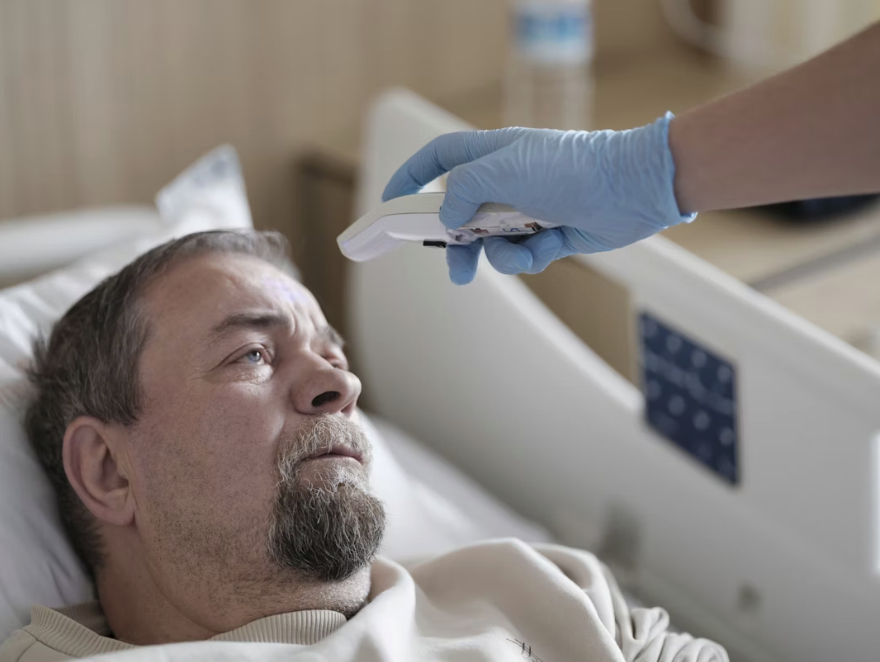
Iowa’s aging population keeps growing, and communities depend on nurses who feel ready for long-term careers that remain both stable and meaningful. Healthcare systems face rising demand for professionals who understand geriatric needs, communicate with clarity, and adapt to rapidly shifting care environments. Many new nurses want guidance that helps them build confidence rather than rush through training. Iowa’s leaders and educators continue to raise the bar so every nurse enters practice with real-world readiness, clear direction, and long-term purpose. Strong preparation serves patients, strengthens communities, and gives nurses the foundation they need to thrive for decades.
1. Understanding Iowa’s Aging Demographics
Iowa’s older-adult population continues to expand, and communities across the state feel the growing impact. Nurses encounter more chronic conditions, mobility challenges, and social-support gaps that require consistent attention and thoughtful care. Long-term career preparation begins with a clear understanding of who these patients are and how their needs shift over time. Iowa’s aging residents want supportive relationships, honest communication, and steady guidance that helps them maintain dignity. Nurses who study these demographic patterns make smarter decisions, reduce preventable complications, and strengthen trust with families. This understanding shapes healthier outcomes and builds rewarding, resilient careers.
2. Training Pathways That Support Long-Term Nursing Careers
Training programs influence the direction of every nursing career, especially for those eager to work with older adults. Iowa students often search for flexible, efficient educational options that deliver strong clinical experience without creating unnecessary barriers. Many discover that direct entry nursing programs open to Iowans provide structured guidance, strong mentorship, and opportunities to apply knowledge quickly in real care settings. These pathways help new nurses develop confidence and steady growth while learning how to support an aging population with clarity and compassion. Effective training lays the groundwork for long-term success and encourages nurses to stay committed to Iowa’s communities.
3. Building Strong Clinical Skills for Geriatric Care
Nurses strengthen long-term careers when they practice clinical skills that address the realities of aging bodies and minds. Iowa’s healthcare facilities provide daily exposure to conditions such as diabetes, arthritis, cognitive decline, and heart disease. Nurses learn to assess subtle changes, respond with precision, and communicate clearly about treatment plans. They also refine pain-management strategies, mobility-support techniques, and medication-safety practices that protect older adults from avoidable harm. Real experience helps nurses develop confidence and calm problem-solving habits. These skills remain essential throughout a career and position nurses as reliable partners for patients, families, and interdisciplinary teams.
4. Communication Strategies That Support Patient Trust
Strong communication keeps older adults informed, comfortable, and willing to participate in their own care. Nurses who speak with warmth, clarity, and patience strengthen trust and reduce confusion about treatment plans. Iowa’s diverse aging population includes individuals with hearing challenges, memory issues, and stress related to long-term health changes. Nurses who adapt their communication style create calmer interactions and more accurate care outcomes. They explain procedures in simple language, encourage questions, and use consistent reassurance. These strategies help nurses maintain positive relationships and reduce emotional strain. Trust builds stability, and stability supports long-term career satisfaction.
5. Emotional Resilience and Career Longevity in Nursing
Long-term nursing careers grow stronger when professionals develop emotional resilience. Daily interaction with older adults brings rewarding moments and challenging situations, and nurses benefit from habits that support steady mental well-being. Iowa’s healthcare systems encourage reflection, teamwork, and access to supportive resources that help nurses process difficult days without losing motivation. Resilient nurses maintain clear thinking, healthy boundaries, and reliable compassion. They also handle stressful situations with confidence instead of exhaustion. Emotional stability encourages career longevity and strengthens every interaction with patients. Nurses who nurture resilience create sustainable careers and provide consistent, high-quality care throughout their professional lives.
6. Integrating Technology Into Everyday Nursing Practice
Iowa’s nurses strengthen long-term careers when they use technology that improves accuracy and reduces workload. Electronic health records, remote-monitoring tools, and medication-tracking systems help nurses deliver consistent care for older adults. These tools support timely decision-making and streamline communication with physicians, therapists, and family members. Nurses who stay familiar with new platforms reduce errors, track patient progress with clarity, and respond faster to changes in health status. Technology also frees time for meaningful interaction, which older adults value. A confident, tech-savvy approach helps nurses remain efficient, adaptable, and prepared for future advancements.
7. Supporting Families Through Guidance and Education
Families need steady support when an older loved one faces long-term health changes. Iowa’s nurses guide relatives through medication routines, symptom awareness, and lifestyle adjustments that protect patient safety. Clear explanations reduce confusion and ease emotional strain. Nurses who listen closely understand the concerns families carry and respond with solutions that encourage confidence rather than stress. These interactions build strong partnerships and prevent misunderstandings that could disrupt care. Family education strengthens overall outcomes because relatives feel informed and ready to participate. Nurses who provide thoughtful guidance create trust that lasts and enriches their long-term career satisfaction.
8. Creating Safe and Supportive Care Environments
Safe environments shape successful outcomes for Iowa’s older adults, and nurses hold a key role in maintaining them. Fall-prevention strategies, clean spaces, and thoughtful room arrangements reduce risk and support patient comfort. Nurses who observe daily routines identify hazards before they cause harm and adjust care plans quickly. They also coordinate with maintenance teams, therapists, and dietary staff to ensure every detail aligns with patient needs. A well-organized environment creates smoother workflows and a calmer atmosphere for everyone. Nurses who champion safety strengthen patient confidence and reinforce professional credibility throughout their careers.
9. Leadership Development for Future Nursing Roles
Leadership skills help nurses advance professionally while strengthening Iowa’s healthcare workforce. Nurses grow as leaders when they mentor newer staff, coordinate care teams, and contribute ideas that improve processes. These actions build confidence and shape a stronger workplace culture. Iowa’s facilities encourage nurses to pursue certifications, management training, and committee involvement that refine decision-making skills. Leadership growth also supports long-term retention because nurses feel valued and capable of shaping positive change. Strong leaders guide teams with clarity, encourage problem-solving, and elevate patient care. Leadership development gives nurses a clear pathway for fulfilling, stable careers.
Iowa’s aging population needs nurses who feel prepared, confident, and motivated to build long-lasting careers. Strong training, clear communication, emotional resilience, and steady professional development create a foundation for success. When nurses grow with intention, they strengthen patient outcomes, support families, and contribute to healthier communities. A dedicated, well-prepared nursing workforce shapes Iowa’s future.